When a floor jack won’t lift a car, the problem is typically caused by low hydraulic fluid, trapped air in the system, a leaking release valve, or worn seals. Addressing these common issues often involves checking and replenishing hydraulic fluid, bleeding air from the system, inspecting the release valve for leaks, and replacing worn seals, which can restore the jack’s lifting capability and ensure safe operation.
What is a Floor Jack and How Does It Work?
A floor jack is a hydraulic device designed to lift heavy loads, primarily vehicles, with minimal effort. Its operation relies on Pascal’s principle, where pressure applied to a small piston in a closed system is transmitted undiminished to a larger piston, generating significant lifting force. When you pump the handle, hydraulic fluid is forced from a reservoir into a lifting cylinder, causing the ram and saddle to extend and raise the vehicle. Releasing a valve allows the fluid to return to the reservoir, lowering the load.
Floor jacks are widely used in various applications, from home garages for basic car maintenance like oil changes and tire rotations to professional auto repair shops for more complex diagnostics and repairs. They come in different weight capacities and designs, but the fundamental hydraulic mechanism remains consistent across most models. For expert automotive lifting reviews on this site.
Why Won’t Your Floor Jack Lift? Common Issues
When your floor jack fails to lift, it’s typically due to a handful of common hydraulic system problems. Identifying the root cause is the first step toward a successful repair.
Low or Incorrect Hydraulic Fluid Levels
One of the most frequent culprits behind a non-lifting jack is an inadequate or improper hydraulic fluid level. Hydraulic systems are designed to operate with a specific volume of non-compressible fluid. If the fluid level is too low, the pump won’t be able to generate enough pressure to extend the ram fully or at all, resulting in a jack that only lifts partially or not at all. Conversely, an overfilled reservoir can lead to internal leaks or blow out seals due to excessive pressure. Using the wrong type of fluid, such as motor oil or brake fluid instead of dedicated hydraulic jack oil, can also damage seals and impair performance.
Trapped Air in the System
Air pockets within the hydraulic system are another common cause for a floor jack failing to lift properly. Unlike hydraulic fluid, air is compressible. When air is present, the pump will compress the air instead of transferring force to the ram, making the jack feel “spongy” or preventing it from building sufficient pressure to lift a load. This often manifests as the jack lifting only slightly or not holding pressure effectively. Air can enter the system through a loose filler plug, a leaky seal, or simply through normal wear and tear over time.
Leaking Release Valve
|
Our Picks for the Best Floor Jack in 2026
As an Amazon Associate I earn from qualifying purchases.
|
||
| Num | Product | Action |
|---|---|---|
| 1 | VEVOR 2.5 Ton Low Profile, Heavy-Duty Steel Racing Floor Jack with Single Piston Lift Pump, Lifting Range 3.35"-14.96" |

|
| 2 | 3 Ton Low Profile, Aluminum and Steel Racing Floor Jack with Dual Pistons Quick Lift Pump for Sport Utility Vehicle, Lifting Range 3-15/16" min to 18-5/16" max, Net Weight 58.5 lb, Red |
|
| 3 | Floor Jack 2.5 Ton (5500 lbs), Low Profile Floor Jack with Single Piston Pump, Heavy Duty Steel Hydraulic Jack for Car, Jack for Car with Lifting Range 3.4'' to 14.6'' |
|
| 4 | Dewalt DWHT83550 TOUGHSERIES Construction Jack |
|
| 5 | Floor Jack 3 Ton Capacity Fast Lift Service Jack Steel Heavy Duty Hydraulic Car Jack |
|
| 6 | DNA Motoring Low Profile Hydraulic Trolley Service/Floor Jack, 2 Ton (4000 lbs) Capacity, Lifting Range 5.1"-13", Blue, TOOLS-00474 |
|
| 7 | Low Profile Floor Jack 3 Ton (6600 lbs), Heavy Duty Hydraulic Jack for Car, Heavy-Duty Floor Jack with Dual Pistons Quick Lift Pump, Car Floor Jack with Lifting Range 3-1/8'' to 19-7/8'' |
|
| 8 | DNA Motoring TOOLS-00234 Low Profile Hydraulic Trolley Service/Floor Jack, 2 Ton (4000 lbs) Capacity, Lifting Range 5.1"-13", Black |
|
| 9 | Amazon Basics Hydraulic Floor and Portable Car Jack, 2.2 Short Ton/ 2 Metric Ton/ 2 Tonne / 2000 kg Capacity, Slow Release, Red |
|
| 10 | 3 Ton Floor Jack (6600 lbs), Heavy Duty Hydraulic Jack for Car, Heavy-Duty Floor Jack with Single Piston Pump, Quick Lift Car Jack 3 ton with Lifting Range 5.5'' to 18.5'' |
|
The release valve is critical for controlling the lowering of the jack. If this valve isn’t fully closed or has a leak, it can prevent the hydraulic system from maintaining the necessary pressure to lift. A faulty or improperly sealed release valve will allow fluid to bypass the lifting mechanism, causing the jack to either not lift at all or to slowly sink after lifting. Often, a visible greasy residue around the valve indicates a leak, signaling that it’s failing to create an airtight seal.
Worn Seals or O-Rings
Hydraulic jacks rely on various rubber seals and O-rings to prevent fluid leakage and maintain pressure within the system. Over time, these components can wear out, crack, dry rot, or become damaged due to age, exposure to contaminants, or aggressive use. Worn seals can lead to internal or external fluid leaks, causing a significant loss of hydraulic pressure and severely compromising the jack’s ability to lift and hold a load. Symptoms include visible oil puddles beneath the jack, frothy oil, or the jack slowly lowering even when the release valve is closed.
Damaged or Rusty Internal Components
The internal components, particularly the pump piston and the main lifting cylinder, are susceptible to damage from dirt, debris, or rust. Contaminants entering the hydraulic fluid can abrade internal surfaces, leading to scoring or pitting on the piston and cylinder walls, which compromises the seals and allows fluid to bypass. Rust, often caused by improper storage in damp environments, can also seize moving parts or damage their surfaces, impeding smooth operation and preventing the jack from lifting effectively.
Overloading the Jack
While not a mechanical failure in itself, attempting to lift a vehicle that exceeds your floor jack’s specified weight capacity is a sure way to prevent it from lifting. Every floor jack has a maximum rated lift capacity, which is typically found on a sticker on the jack or in its owner’s manual. Exceeding this limit places undue stress on the hydraulic system and internal components, potentially causing immediate failure, seal damage, or even a catastrophic collapse, posing significant safety risks. Always check your vehicle’s Gross Vehicle Weight (GVW) and ensure your jack can handle the load.
Essential Safety Precautions Before You Begin
Before attempting any repairs on your floor jack, prioritize safety to prevent injury or further damage to your equipment. A malfunctioning jack can be dangerous, and working with hydraulic systems requires careful attention to safety.
- Flat, Stable Surface: Always perform repairs on a level, hard, and stable surface. Avoid working on inclines or uneven ground, which can cause the jack to shift or tip over.
- Personal Protective Equipment (PPE): Wear safety goggles to protect your eyes from hydraulic fluid splashes, especially when dealing with pressurized systems or opening reservoirs. Gloves are also recommended to protect your hands from oil and sharp edges.
- Never Under a Loaded Jack: Crucially, never attempt to repair a floor jack while it is supporting a vehicle or any other load. The jack must be completely lowered and unloaded before any maintenance or repair work begins.
- Ventilation and Fire Safety: Ensure your workspace is well-ventilated, especially if you are using cleaning solvents or draining old fluid. Hydraulic fluid is flammable, so keep the work area free from open flames, sparks, or ignition sources.
- Consult the Manual: If available, refer to your floor jack’s owner’s manual. It often contains specific instructions for maintenance, troubleshooting, fluid types, and bleeding procedures unique to your model.
Step-by-Step Guide to Fixing Your Floor Jack
Addressing a floor jack that won’t lift can often be a straightforward DIY task. Follow these steps carefully to diagnose and resolve the most common issues.
Check and Replenish Hydraulic Fluid
Incorrect fluid levels are a primary reason for jack failure. This is often the first and simplest fix.
- Prepare the Jack: Ensure the jack is fully lowered and resting on a flat, clean surface. Locate the hydraulic oil filler plug or screw, usually found on the reservoir or side of the main body. Clean around it thoroughly to prevent dirt from entering the system when opened.
- Check Fluid Level: Carefully remove the filler plug. For most floor jacks, the hydraulic fluid level should be approximately 3/16 to 1/4 inch above the reservoir when the jack is fully retracted.
- Replenish if Low: If the fluid level is low, slowly add new, high-grade hydraulic jack oil using a funnel until it reaches the recommended level. Never use motor oil, brake fluid, or automatic transmission fluid as substitutes, as these can severely damage the seals and internal components.
- Drain if Overfilled: If the reservoir is overfilled, carefully drain the excess fluid into a suitable container. An overfilled system can lead to excessive pressure, blowing out seals and causing leaks.
- Replace Plug: Securely replace the filler plug.
Bleed Trapped Air from the System
Air trapped in the hydraulic system prevents it from building pressure. Bleeding the system is essential to restore proper function.
- Open the Release Valve: With the jack fully lowered, turn the release valve (typically the handle or a separate knob) counter-clockwise about two full revolutions to open it completely. This allows air to escape.
- Pump the Handle: Pump the jack handle vigorously 10-15 full strokes. This action helps to circulate the fluid and push trapped air out through the open release valve.
- Close the Release Valve: Turn the release valve clockwise until it is tightly closed.
- Pump to Full Height: Pump the jack handle until the lift arm reaches its maximum height. This helps consolidate any remaining air bubbles.
- Lower and Repeat (If Necessary): Fully lower the jack by opening the release valve. Repeat the entire bleeding process (steps 1-4) two more times if the jack still feels spongy or doesn’t lift smoothly.
- Final Air Release: After the final bleed, if needed, you can gently pull the oil fill plug on the side (after the cylinder has been lowered) to help expel any stubborn trapped air.
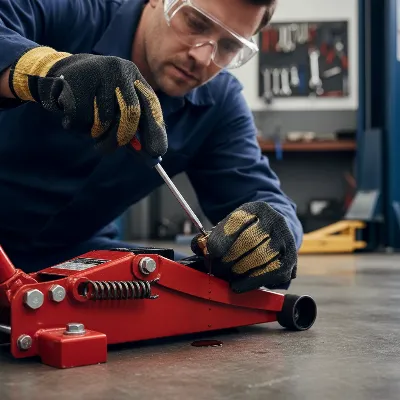 Technician bleeding air from a hydraulic floor jack, emphasizing safety and correct procedure
Inspect and Troubleshoot the Release Valve
A malfunctioning release valve can cause pressure loss, preventing the jack from lifting.
- Check for Tightness: Ensure the release valve is fully closed and securely tightened when you attempt to lift. Sometimes, the problem is as simple as a valve not being completely seated.
- Look for Leaks: Visually inspect the area around the release valve for any signs of hydraulic fluid leakage. A greasy film or visible drips indicate that the valve isn’t sealing properly, allowing pressure to escape.
- Repair or Replace: If a leak is detected, the valve may need to be disassembled, cleaned, and reassembled, or its O-rings and seals replaced. In some cases, the entire release valve mechanism might need replacement if it’s damaged or worn beyond repair.
Examine for Leaks and Worn Seals
External and internal leaks due to worn seals are significant causes of pressure loss.
- Visual Inspection for Leaks: Thoroughly inspect the entire floor jack for any signs of hydraulic fluid leaks. Pay close attention to the pump piston, ram, main cylinder, and any joints or connections. Look for puddles, drips, or a greasy sheen on the jack’s surface.
- Symptoms of Worn Seals: If the jack lifts slowly, struggles to hold a load, or gradually lowers on its own, it’s a strong indication of worn internal seals allowing fluid to bypass.
- Consider a Repair Kit: If leaks are present and persist after checking fluid levels and bleeding, it’s likely that the internal O-rings and seals are compromised. Many manufacturers offer hydraulic jack repair kits that include replacement seals. Replacing these components usually requires disassembling parts of the jack. Ensure you match the new seals to the old ones precisely and lubricate them with hydraulic fluid before installation for proper seating.
Address Damaged Internal Components (Piston, Cylinder)
Damage to the jack’s core moving parts can severely affect its lifting capability.
- Inspect for Damage: With the jack components potentially disassembled (if replacing seals), carefully inspect the pump piston, ram, and the inner walls of the main lifting cylinder. Look for signs of rust, corrosion, pitting, scoring, or any embedded debris.
- Clean and Lubricate: Use a clean rag to wipe down all internal components. If rust or minor debris is present, carefully clean the surfaces without causing further damage. Apply a thin layer of hydraulic jack oil to moving parts to ensure smooth operation and prevent corrosion.
- When to Seek Professional Help: Severe damage, such as deep scoring on the ram or cylinder walls, significant corrosion that cannot be cleaned, or bent components, typically necessitates professional repair or replacement of the jack. These types of repairs are often complex and may require specialized tools and expertise.
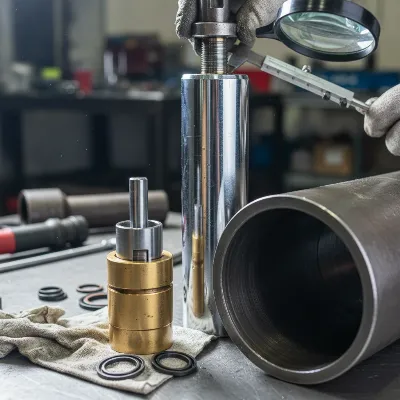 Close-up of internal hydraulic components of a floor jack being inspected
When to Seek Professional Help or Replace Your Floor Jack
While many common floor jack issues can be resolved with DIY troubleshooting, there are instances when professional intervention or even a replacement is the safest and most practical course of action.
- Persistent Issues: If you’ve diligently followed all troubleshooting steps—checking fluid, bleeding air, inspecting valves and seals—and your floor jack still fails to lift or hold a load, it’s a strong indicator of a more complex internal problem.
- Major Component Damage: Extensive damage to critical components like the main lifting ram, cylinder housing, or chassis welds can compromise the structural integrity and safety of the jack. These types of repairs often require specialized welding, machining, or parts that are difficult for an average DIYer to source and install correctly.
- Fluid Contamination: If the hydraulic fluid appears milky, frothy, or contains significant metallic particles, it suggests severe internal wear or contamination. While you can drain and replace the fluid, the underlying cause of contamination might require a professional to diagnose and fix.
- Cost vs. New Jack: For older or cheaper models, the cost of replacement parts and your time might approach or exceed the price of a brand-new, reliable floor jack. In such cases, investing in a new jack, especially one with a higher quality build, can be more economical and safer in the long run.
- Safety Concerns:If you ever feel uncertain about the jack’s safety or your ability to repair it correctly, it’s always best to err on the side of caution. A failing jack under a vehicle poses an extreme hazard.
“A well-maintained floor jack is an extension of your hands in the garage. Neglect it, and you risk not just inconvenience, but serious safety breaches. Regular checks are non-negotiable.” – Admin, ReviewHoster.com, Hydraulic Equipment Technician
Maintaining Your Floor Jack for Longevity
Regular maintenance is the best defense against a floor jack failing to lift and extends its operational lifespan. Proactive care ensures your jack is ready when you need it and minimizes the risk of unexpected malfunctions.
- Cleanliness is Key: After each use, wipe down your floor jack to remove dirt, grease, and grime. This prevents contaminants from entering the hydraulic system and keeps moving parts free from obstruction. Do not use harsh solvents on rubber seals.
- Check Fluid Regularly: Periodically check the hydraulic fluid level as part of your routine maintenance. Top it off with the correct hydraulic jack oil if it’s low. Some manufacturers recommend changing the hydraulic fluid annually to ensure optimal performance and remove any accumulated impurities.
- Lubricate Moving Parts: Apply a general-purpose lubricant to moving components such as caster wheels, front axles, pivot bolts, and the release mechanism. This reduces friction and prevents premature wear.
- Inspect for Leaks and Damage: Routinely inspect your jack for any signs of fluid leaks, cracked welds, damaged parts, or rust. Addressing minor issues early can prevent them from escalating into major problems. Pay particular attention to the condition of the ram in both retracted and extended states.
- Proper Storage: Store your floor jack in a clean, dry environment, preferably with the ram fully retracted. This prevents corrosion and protects the hydraulic system from environmental contaminants. Avoid storing it in damp basements or outdoors.
By adhering to these maintenance practices, you can significantly reduce the likelihood of your floor jack experiencing lifting issues and ensure its reliable and safe operation for years to come.
Conclusion
A floor jack that won’t lift a car can be a frustrating and potentially hazardous problem. However, armed with the knowledge of common causes—like low hydraulic fluid, trapped air, or worn seals—and a systematic approach to troubleshooting, many of these issues can be safely and effectively resolved at home. Always prioritize safety by working on a stable surface, using appropriate protective gear, and never placing yourself under a vehicle supported only by a jack. Regular maintenance, including checking fluid levels, bleeding air, and routine inspections, is crucial for preventing malfunctions and extending the life of your valuable tool. Don’t let a minor hiccup sideline your projects; empower yourself to keep your floor jack in prime working condition. What steps will you take to ensure your floor jack is always ready for action?
Frequently Asked Questions
Fix a Floor Jack That Won't Lift
This guide provides step-by-step instructions to diagnose and fix common issues preventing a hydraulic floor jack from lifting, including fluid levels, trapped air, and valve problems.
Ensure the jack is fully lowered and on a flat surface. Remove the filler plug and check the fluid level, which should be 3/16 to 1/4 inch above the reservoir. Add high-grade hydraulic jack oil if low, or drain if overfilled, then replace the plug.
Open the release valve counter-clockwise two full revolutions. Pump the handle 10-15 full strokes to circulate fluid and expel air. Close the valve, pump to full height, then lower and repeat the process two more times if needed for smooth operation.
Verify the release valve is fully closed and tightened. Look for any visible hydraulic fluid leaks around the valve, which indicate a sealing issue. If a leak is present, the valve may need cleaning, O-ring replacement, or complete replacement.
Visually inspect the entire jack for fluid leaks, especially around the pump piston, ram, and main cylinder. Slow lifting or gradual lowering indicates worn internal seals. Consider a hydraulic jack repair kit to replace compromised O-rings and seals.
Inspect the pump piston, ram, and cylinder walls for rust, corrosion, or scoring. Clean and lubricate minor damage. For severe damage like deep scoring or bent components, professional repair or replacement of the jack is typically required.

My jack was lifting really slowly and felt spongy. I tried bleeding the air out like suggested, and it helped some, but it’s still not as smooth as I’d like. I think I might have a more serious seal issue, which is a bit beyond my comfort level to fix myself. Good info though.
My old floor jack started acting up, barely lifting my truck. I was about to buy a new one, but then I read about checking the hydraulic fluid. Turns out, it was just low! Topped it off and bled the system a bit, and now it works like new. Saved me a ton of money.
I thought my floor jack was completely dead when it wouldn’t lift at all. The explanation of Pascal’s principle and how the hydraulic system works made a lot of sense. I followed the steps for checking for trapped air and it was the culprit. Back to lifting cars with ease!
I’ve had issues with my release valve leaking on my older jack, which was causing it to slowly drop. The tips here about inspecting the valve and replacing seals were really helpful. It took a bit of fiddling, but I got it sorted out. It’s not perfect, but it holds pressure much better now.