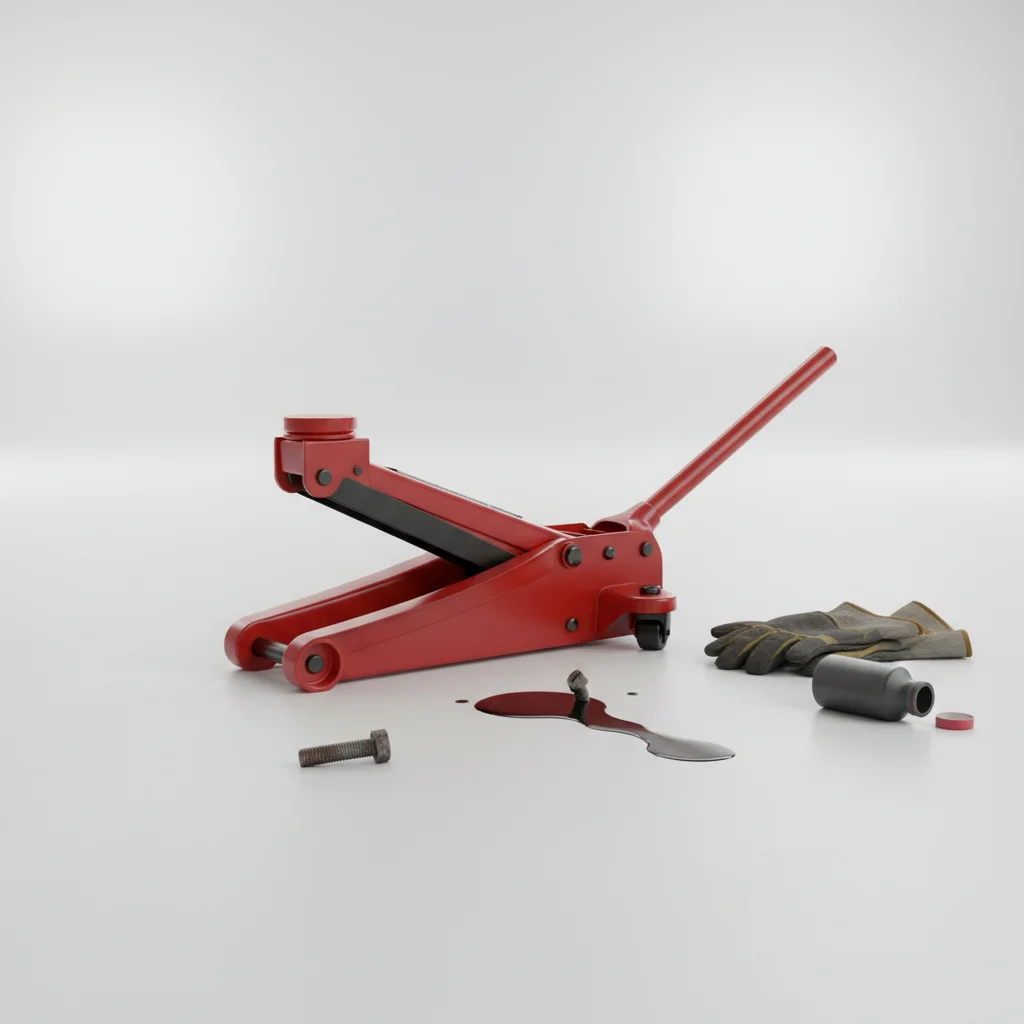
If your floor jack won’t lift, the most common reason is low hydraulic fluid, followed by air in the system or a faulty release valve. Addressing these issues often involves a straightforward diagnostic process and a few simple repairs that can restore your jack’s functionality.
Low Hydraulic Fluid Levels
Insufficient hydraulic fluid is a frequent culprit when a floor jack fails to lift. Over time, seals can degrade, leading to minor leaks that deplete the fluid reservoir. Without adequate fluid, the hydraulic pump cannot generate enough pressure to raise the lifting arm. Regularly checking the fluid level and topping it off with the correct type of hydraulic jack oil is crucial for maintaining proper operation. Always consult your jack’s manual for the specific fluid type recommended by the manufacturer.
Air Trapped in the Hydraulic System
Air can become trapped within the hydraulic system through various means, such as during fluid changes, if the jack is stored improperly, or through a loose fill plug. This air compresses instead of transferring force, preventing the jack from lifting effectively. Bleeding the air out of the system is a common maintenance procedure that can resolve this issue. This typically involves opening the release valve slightly while pumping the handle, allowing the trapped air to escape.
Faulty Release Valve or Seal
The release valve is critical for controlling the lowering of the jack. If this valve is not seating properly or its internal seals are worn, it can allow fluid to bypass the lifting mechanism, preventing the jack from holding pressure and lifting. A damaged or worn release valve seal can also cause a slow leak, leading to a gradual loss of lifting power. Inspecting the valve for visible damage and replacing worn seals are necessary steps to restore proper function.
- Inspect the release valve for any visible damage or debris.
- Check the O-rings and seals around the release valve for wear or cracks.
- Ensure the release valve is fully closed before attempting to lift.
- Clean the valve mechanism to remove any obstructions.
- Consider replacing the entire release valve assembly if damage is extensive.
Damaged or Worn Piston Seals
|
Our Picks for the Best Floor Jack in 2026
As an Amazon Associate I earn from qualifying purchases.
|
||
| Num | Product | Action |
|---|---|---|
| 1 | VEVOR 2.5 Ton Low Profile, Heavy-Duty Steel Racing Floor Jack with Single Piston Lift Pump, Lifting Range 3.35"-14.96" |

|
| 2 | 3 Ton Floor Jack (6600 lbs), Heavy Duty Hydraulic Jack for Car, Heavy-Duty Floor Jack with Single Piston Pump, Quick Lift Car Jack 3 ton with Lifting Range 5.5'' to 18.5'' |
|
| 3 | Low Profile Floor Jack 3 Ton (6600 lbs), Heavy Duty Hydraulic Jack for Car, Heavy-Duty Floor Jack with Dual Pistons Quick Lift Pump, Car Floor Jack with Lifting Range 3-1/8'' to 19-7/8'' |
|
| 4 | DNA Motoring TOOLS-00234 Low Profile Hydraulic Trolley Service/Floor Jack, 2 Ton (4000 lbs) Capacity, Lifting Range 5.1"-13", Black |
|
| 5 | DNA Motoring Low Profile Hydraulic Trolley Service/Floor Jack, 2 Ton (4000 lbs) Capacity, Lifting Range 5.1"-13", Blue, TOOLS-00474 |
|
| 6 | Amazon Basics Hydraulic Floor and Portable Car Jack, 2.2 Short Ton/ 2 Metric Ton/ 2 Tonne / 2000 kg Capacity, Slow Release, Red |
|
| 7 | Floor Jack 3 Ton Capacity Fast Lift Service Jack Steel Heavy Duty Hydraulic Car Jack |
|
| 8 | Floor Jack 2.5 Ton (5500 lbs), Low Profile Floor Jack with Single Piston Pump, Heavy Duty Steel Hydraulic Jack for Car, Jack for Car with Lifting Range 3.4'' to 14.6'' |
|
| 9 | Dewalt DWHT83550 TOUGHSERIES Construction Jack |
|
| 10 | 3 Ton Low Profile, Aluminum and Steel Racing Floor Jack with Dual Pistons Quick Lift Pump for Sport Utility Vehicle, Lifting Range 3-15/16" min to 18-5/16" max, Net Weight 58.5 lb, Red |
|
The piston seals within the hydraulic cylinder are responsible for maintaining pressure. If these seals become worn, cracked, or damaged, hydraulic fluid can leak past them internally, preventing the jack from building sufficient pressure to lift a load. This internal leakage is often less obvious than external leaks but can be just as detrimental to performance. Replacing these seals requires disassembling the hydraulic unit, a task best undertaken with a repair kit specific to your jack model.
Bent or Obstructed Lifting Arm
While less common, a bent lifting arm or an obstruction in its path can prevent the jack from extending fully or at all. This can occur if the jack has been overloaded or subjected to unusual stress. Visually inspect the lifting arm and its pivot points for any signs of deformation or foreign objects that might be impeding its movement. Ensure all moving parts are free from rust and debris, and lubricate them as recommended by the manufacturer.
Overload Protection Engaged
Many modern floor jacks include an overload protection mechanism designed to prevent damage to the jack and ensure user safety. If you attempt to lift a load exceeding the jack’s rated capacity, this mechanism may engage, preventing the jack from lifting. Always verify the weight of the vehicle or object you intend to lift and ensure it is well within the jack’s specified capacity. Refer to your jack’s manual for its exact weight limit.
Clogged or Dirty Hydraulic Filter
Some hydraulic jacks, particularly larger or more complex models, may incorporate a small filter to prevent contaminants from entering the system. Over time, this filter can become clogged with debris, restricting the flow of hydraulic fluid and impairing the jack’s ability to lift. While not present in all models, if your jack has a filter, checking and cleaning or replacing it can resolve lifting issues. Consult your jack’s service manual for information on filter location and maintenance.
