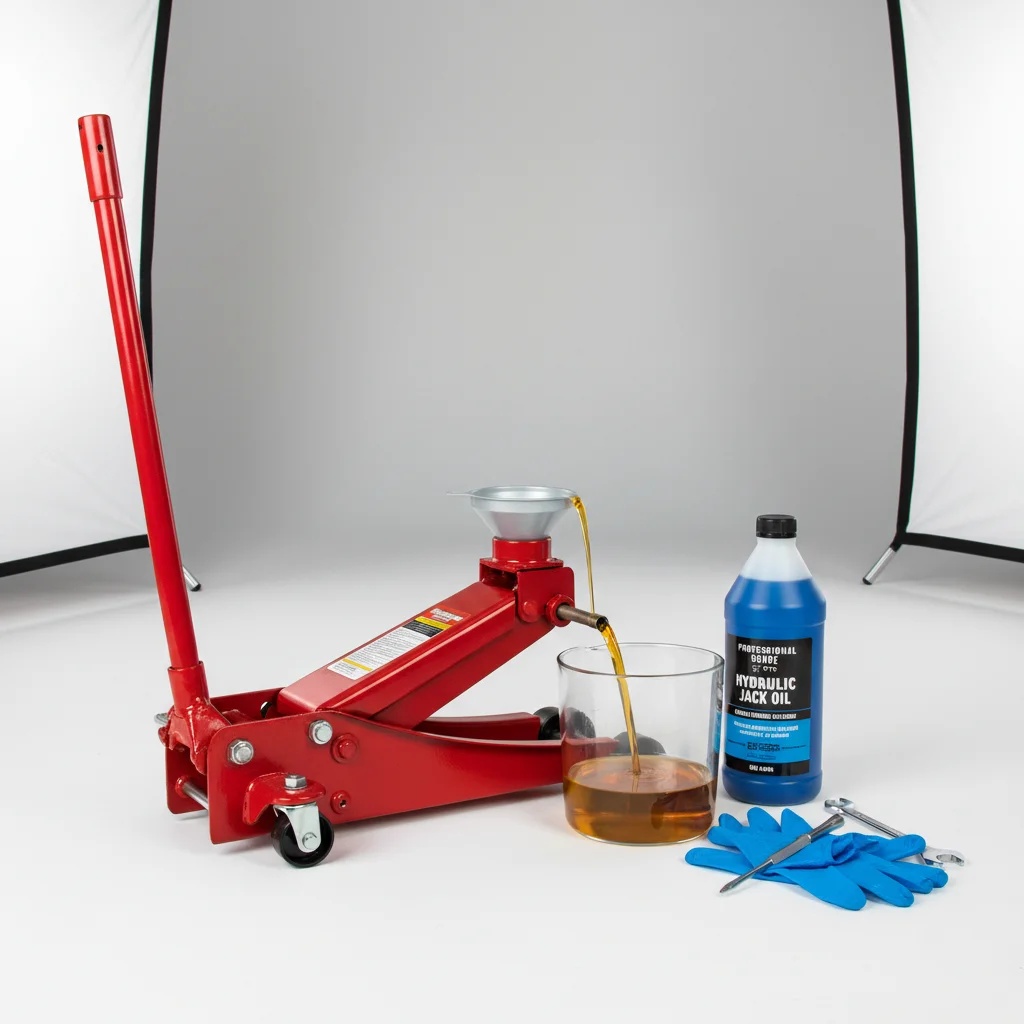
For optimal performance and longevity, you should perform a floor jack oil change every 12 to 24 months, or after approximately 200-300 lifting cycles, whichever comes first. This interval ensures the hydraulic fluid remains clean and effective, preventing premature wear on internal components and maintaining the jack’s lifting capacity. Neglecting regular fluid changes can lead to sluggish operation, reduced lifting power, and eventual seal failure.
Why Regular Hydraulic Fluid Replacement is Crucial
Hydraulic fluid in a floor jack is subjected to significant pressure and temperature fluctuations during operation. Over time, this stress causes the fluid to break down, losing its viscosity and lubricating properties. Contaminants like metal shavings from internal wear, rubber particles from seals, and moisture can also accumulate, further degrading the fluid’s quality. Clean fluid is essential for smooth piston movement, efficient power transfer, and the protection of delicate internal seals and valves.
Signs It’s Time for a Floor Jack Oil Change
Several indicators suggest your floor jack’s hydraulic fluid needs attention. If your jack feels spongy, struggles to lift its rated capacity, or drifts downward slowly after lifting, it’s likely due to degraded fluid or air in the system. A change in the fluid’s color, from clear or light amber to dark brown or black, is a strong visual cue. Additionally, if you notice any unusual noises during operation, such as grinding or squealing, it could point to lubrication issues that a fresh fluid change can help resolve.
Step-by-Step Guide to Changing Your Floor Jack Oil
|
Our Picks for the Best Floor Jack in 2026
As an Amazon Associate I earn from qualifying purchases.
|
||
| Num | Product | Action |
|---|---|---|
| 1 | Low Profile Floor Jack 3 Ton (6600 lbs), Heavy Duty Hydraulic Jack for Car, Heavy-Duty Floor Jack with Dual Pistons Quick Lift Pump, Car Floor Jack with Lifting Range 3-1/8'' to 19-7/8'' |

|
| 2 | DNA Motoring TOOLS-00234 Low Profile Hydraulic Trolley Service/Floor Jack, 2 Ton (4000 lbs) Capacity, Lifting Range 5.1"-13", Black |
|
| 3 | VEVOR 2.5 Ton Low Profile, Heavy-Duty Steel Racing Floor Jack with Single Piston Lift Pump, Lifting Range 3.35"-14.96" |
|
| 4 | Floor Jack 2.5 Ton (5500 lbs), Low Profile Floor Jack with Single Piston Pump, Heavy Duty Steel Hydraulic Jack for Car, Jack for Car with Lifting Range 3.4'' to 14.6'' |
|
| 5 | 3 Ton Low Profile, Aluminum and Steel Racing Floor Jack with Dual Pistons Quick Lift Pump for Sport Utility Vehicle, Lifting Range 3-15/16" min to 18-5/16" max, Net Weight 58.5 lb, Red |
|
| 6 | Dewalt DWHT83550 TOUGHSERIES Construction Jack |
|
| 7 | 3 Ton Floor Jack (6600 lbs), Heavy Duty Hydraulic Jack for Car, Heavy-Duty Floor Jack with Single Piston Pump, Quick Lift Car Jack 3 ton with Lifting Range 5.5'' to 18.5'' |
|
| 8 | DNA Motoring Low Profile Hydraulic Trolley Service/Floor Jack, 2 Ton (4000 lbs) Capacity, Lifting Range 5.1"-13", Blue, TOOLS-00474 |
|
| 9 | Amazon Basics Hydraulic Floor and Portable Car Jack, 2.2 Short Ton/ 2 Metric Ton/ 2 Tonne / 2000 kg Capacity, Slow Release, Red |
|
| 10 | Floor Jack 3 Ton Capacity Fast Lift Service Jack Steel Heavy Duty Hydraulic Car Jack |
|
Changing the hydraulic fluid in your floor jack is a straightforward process that most DIY mechanics can accomplish. First, ensure the jack is fully lowered and on a level surface. Locate the fill plug, usually a rubber or metal cap on the reservoir. Carefully remove it and drain the old fluid into a suitable container for disposal. It’s crucial to dispose of hydraulic fluid responsibly at an authorized recycling center. Once drained, refill the reservoir with new, high-quality hydraulic jack oil, ensuring not to overfill. Bleed any air from the system by pumping the handle several times with the release valve open, then close the valve and test the jack’s operation.
- Ensure the jack is fully lowered and stable.
- Locate and remove the hydraulic fluid fill plug.
- Drain all old fluid into an appropriate waste container.
- Refill with new, manufacturer-recommended hydraulic jack oil.
- Bleed air from the system by cycling the jack.
Choosing the Right Hydraulic Fluid for Your Jack
Not all hydraulic fluids are created equal, and using the correct type is vital for your floor jack’s performance and longevity. Always refer to your jack’s owner’s manual for the manufacturer’s recommended fluid specifications. Most floor jacks use a non-foaming, anti-wear hydraulic oil, often labeled as ISO VG 32 or ISO VG 46. Using automotive engine oil or transmission fluid is generally not recommended as these can damage seals and internal components not designed for their specific additives. Investing in a quality hydraulic jack oil will pay dividends in the long-term reliability of your equipment.
Extending the Life of Your Floor Jack’s Hydraulic System
Beyond regular fluid changes, several practices can help extend the life of your floor jack’s hydraulic system. Always store your jack in a clean, dry environment to prevent moisture ingress, which can contaminate the fluid and corrode internal parts. Avoid overloading the jack beyond its rated capacity, as this puts excessive strain on the hydraulic components and seals. Regularly inspect the jack for any signs of leaks around seals or hoses, addressing them promptly to prevent fluid loss and air entry. A well-maintained jack is a safe and reliable tool for any garage.
