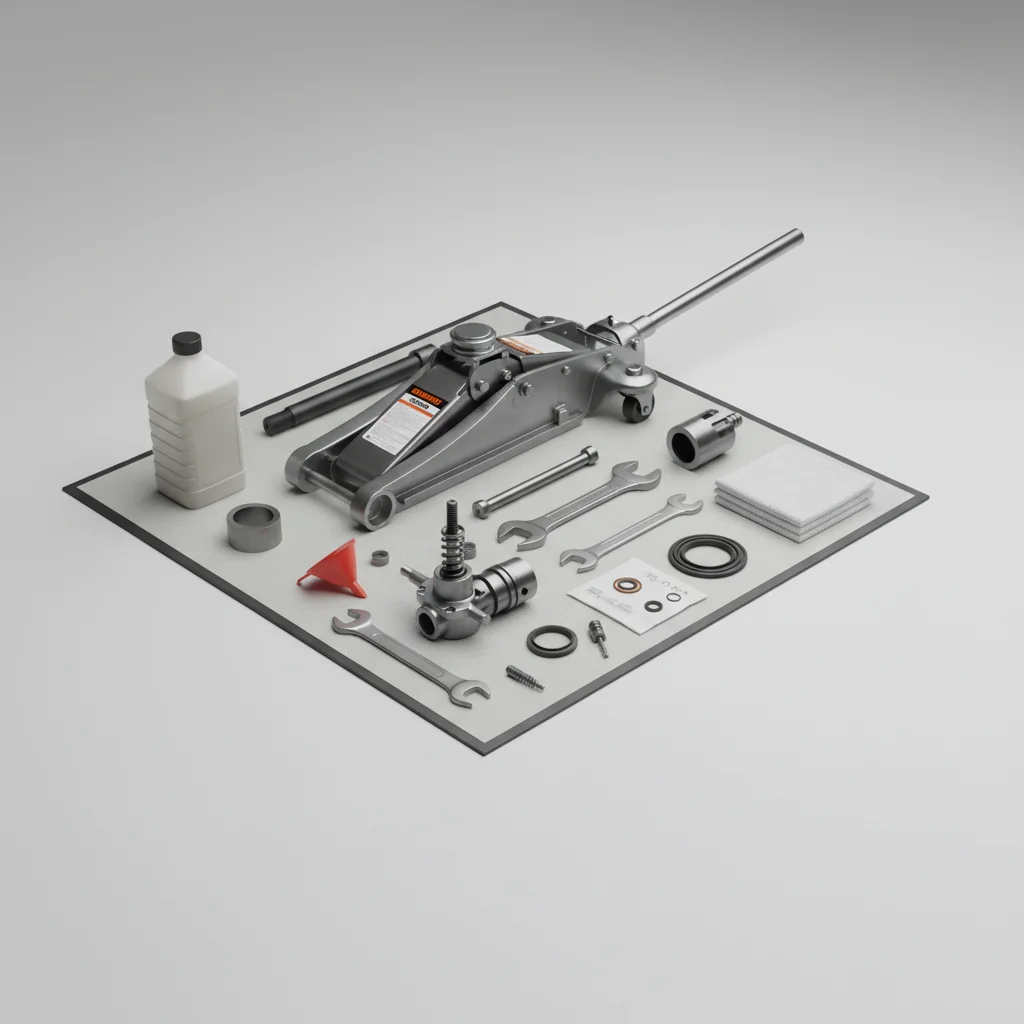
A slow-lifting floor jack can be a frustrating and time-consuming issue for any mechanic, whether DIY or professional. The most common reasons for a floor jack lifting slowly include low hydraulic fluid levels, air trapped in the system, or worn seals. Addressing these issues promptly can restore your jack’s efficiency and ensure safe operation. This guide will walk you through the troubleshooting steps to identify and fix a sluggish floor jack.
Check Hydraulic Fluid Levels
One of the primary culprits behind a slow-lifting floor jack is insufficient hydraulic fluid. Over time, fluid can leak or evaporate, leading to a loss of pressure within the system. To check the fluid level, first, ensure the jack is fully lowered and on a level surface. Locate the fill plug, usually a rubber or metal cap, and remove it. The fluid level should typically be just below the fill hole. If it’s low, top it off with the manufacturer-recommended hydraulic jack oil. Using the correct type of fluid is crucial for optimal performance and to prevent damage to internal components.
Bleed Trapped Air from the System
Air can become trapped in the hydraulic system during use or after a fluid change, leading to a spongy feel and slow lifting. Bleeding the air out is a straightforward process. Start by opening the release valve completely. Pump the handle several times, usually 10-15 strokes, to force any trapped air out. Close the release valve and test the jack. You may need to repeat this process a few times until the jack lifts smoothly and consistently. This step is often overlooked but can significantly improve your jack’s performance.
Inspect for Worn or Damaged Seals
|
Our Picks for the Best Floor Jack in 2026
As an Amazon Associate I earn from qualifying purchases.
|
||
| Num | Product | Action |
|---|---|---|
| 1 | 3 Ton Floor Jack (6600 lbs), Heavy Duty Hydraulic Jack for Car, Heavy-Duty Floor Jack with Single Piston Pump, Quick Lift Car Jack 3 ton with Lifting Range 5.5'' to 18.5'' |

|
| 2 | Amazon Basics Hydraulic Floor and Portable Car Jack, 2.2 Short Ton/ 2 Metric Ton/ 2 Tonne / 2000 kg Capacity, Slow Release, Red |
|
| 3 | DNA Motoring TOOLS-00234 Low Profile Hydraulic Trolley Service/Floor Jack, 2 Ton (4000 lbs) Capacity, Lifting Range 5.1"-13", Black |
|
| 4 | 3 Ton Low Profile, Aluminum and Steel Racing Floor Jack with Dual Pistons Quick Lift Pump for Sport Utility Vehicle, Lifting Range 3-15/16" min to 18-5/16" max, Net Weight 58.5 lb, Red |
|
| 5 | Low Profile Floor Jack 3 Ton (6600 lbs), Heavy Duty Hydraulic Jack for Car, Heavy-Duty Floor Jack with Dual Pistons Quick Lift Pump, Car Floor Jack with Lifting Range 3-1/8'' to 19-7/8'' |
|
| 6 | DNA Motoring Low Profile Hydraulic Trolley Service/Floor Jack, 2 Ton (4000 lbs) Capacity, Lifting Range 5.1"-13", Blue, TOOLS-00474 |
|
| 7 | Dewalt DWHT83550 TOUGHSERIES Construction Jack |
|
| 8 | VEVOR 2.5 Ton Low Profile, Heavy-Duty Steel Racing Floor Jack with Single Piston Lift Pump, Lifting Range 3.35"-14.96" |
|
| 9 | Floor Jack 3 Ton Capacity Fast Lift Service Jack Steel Heavy Duty Hydraulic Car Jack |
|
| 10 | Floor Jack 2.5 Ton (5500 lbs), Low Profile Floor Jack with Single Piston Pump, Heavy Duty Steel Hydraulic Jack for Car, Jack for Car with Lifting Range 3.4'' to 14.6'' |
|
Worn or damaged seals are a common cause of internal fluid bypass, which results in a slow-lifting jack. Seals can degrade over time due to age, exposure to contaminants, or improper fluid. Look for any visible leaks around the ram, pump piston, or other moving parts. Even a small leak can lead to a significant loss of pressure. Replacing worn seals requires disassembling parts of the jack, which can be more involved. If you suspect a seal issue, it’s often best to consult your jack’s manual or a repair guide specific to your model.
Examine the Release Valve and Pump Mechanism
A faulty release valve can also contribute to a slow-lifting jack. If the valve isn’t sealing properly, hydraulic fluid can bypass the lifting mechanism, preventing the jack from building adequate pressure. Check the release valve for any debris or damage that might prevent it from closing fully. Similarly, issues with the pump mechanism, such as a worn pump piston or check valve, can reduce the efficiency of fluid transfer. These components are critical for generating the necessary pressure to lift a vehicle. Regular cleaning and inspection can help prevent these issues.
Consider the Load and Jack Capacity
While not a malfunction, attempting to lift a load that is too heavy for your jack’s capacity will result in extremely slow lifting or no lift at all. Always ensure that the weight of the vehicle you are lifting is well within the rated capacity of your floor jack. Overloading a jack not only makes it lift slowly but also poses a significant safety risk and can cause permanent damage to the hydraulic system. Always consult your jack’s specifications before use.
- Ensure the jack is on a firm, level surface before any maintenance.
- Always use the manufacturer-specified hydraulic fluid for your jack.
- Never use brake fluid or motor oil as a substitute for hydraulic jack oil.
- Wear appropriate safety gear, including gloves and eye protection.
- Refer to your jack’s owner’s manual for specific troubleshooting steps.
