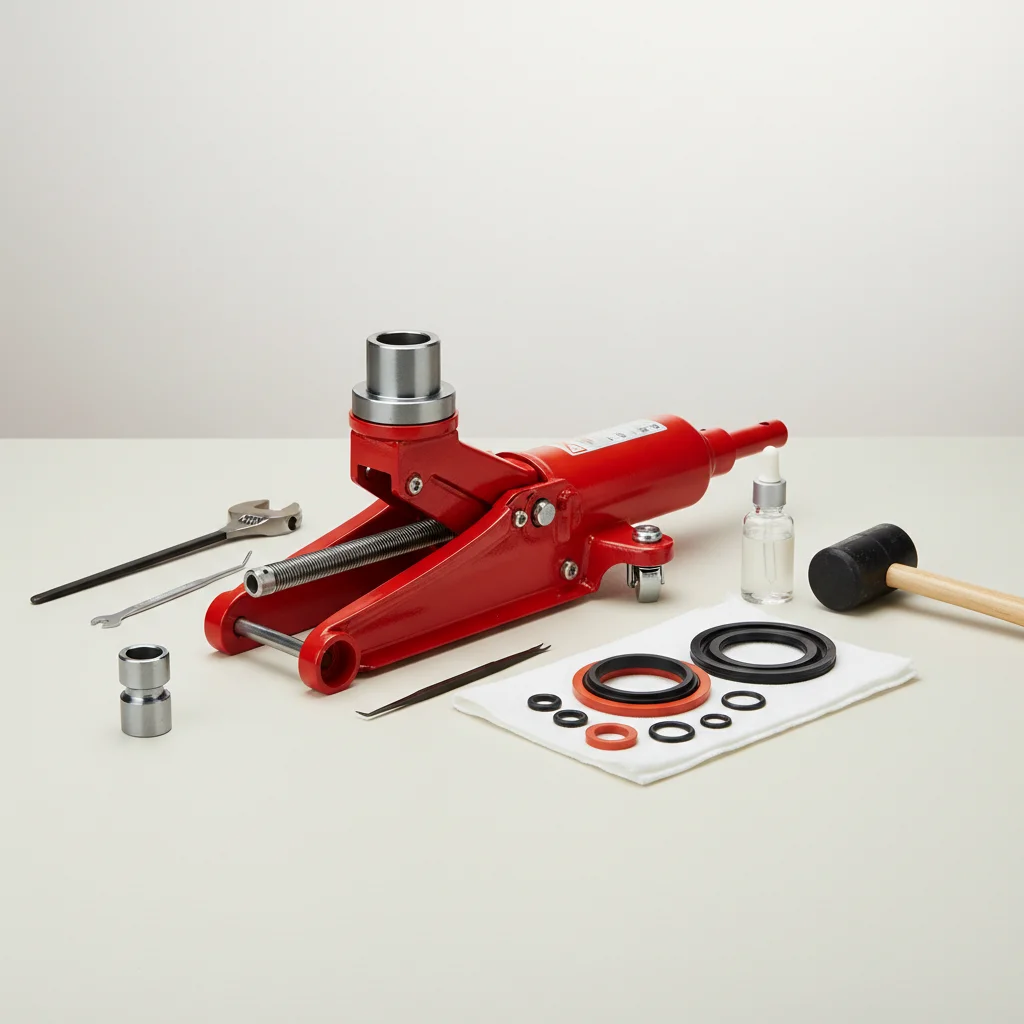
Floor jack seals are critical components that prevent hydraulic fluid leaks and maintain lifting pressure. For optimal safety and performance, you should replace your floor jack’s seals every 3 to 5 years, or immediately if you notice any signs of leakage or reduced lifting capacity. This proactive approach ensures your equipment remains reliable and safe for all your automotive tasks.
Understanding Floor Jack Seal Degradation
Over time, the rubber and synthetic materials used in floor jack seals can degrade due to exposure to hydraulic fluid, temperature fluctuations, and constant pressure cycles. This degradation leads to hardening, cracking, or shrinking of the seals, compromising their ability to hold pressure. Regular inspection can help identify early signs of wear, such as minor weeping around the piston or pump assembly.
The type of hydraulic fluid used can also impact seal longevity. Using the correct fluid specified by the manufacturer is crucial, as incompatible fluids can accelerate seal deterioration. Always refer to your floor jack’s manual for recommended fluid types and maintenance schedules.
Signs It’s Time for Seal Replacement
Several clear indicators suggest your floor jack seals need replacement. The most obvious sign is visible hydraulic fluid leaking from any part of the jack, particularly around the pump piston, ram, or release valve. Another common symptom is a loss of lifting power, where the jack struggles to lift a vehicle or slowly lowers after being pumped up, even without engaging the release valve. Spongy or inconsistent pumping action can also point to internal seal issues.
If your floor jack has been stored for an extended period without use, especially in varying temperatures, the seals may have dried out and become brittle. It’s wise to inspect and potentially replace seals on such jacks before putting them back into heavy service to prevent unexpected failures.
The Seal Replacement Process: A Step-by-Step Guide
|
Our Picks for the Best Floor Jack in 2026
As an Amazon Associate I earn from qualifying purchases.
|
||
| Num | Product | Action |
|---|---|---|
| 1 | Dewalt DWHT83550 TOUGHSERIES Construction Jack |

|
| 2 | Floor Jack 2.5 Ton (5500 lbs), Low Profile Floor Jack with Single Piston Pump, Heavy Duty Steel Hydraulic Jack for Car, Jack for Car with Lifting Range 3.4'' to 14.6'' |
|
| 3 | Amazon Basics Hydraulic Floor and Portable Car Jack, 2.2 Short Ton/ 2 Metric Ton/ 2 Tonne / 2000 kg Capacity, Slow Release, Red |
|
| 4 | 3 Ton Low Profile, Aluminum and Steel Racing Floor Jack with Dual Pistons Quick Lift Pump for Sport Utility Vehicle, Lifting Range 3-15/16" min to 18-5/16" max, Net Weight 58.5 lb, Red |
|
| 5 | Floor Jack 3 Ton Capacity Fast Lift Service Jack Steel Heavy Duty Hydraulic Car Jack |
|
| 6 | DNA Motoring Low Profile Hydraulic Trolley Service/Floor Jack, 2 Ton (4000 lbs) Capacity, Lifting Range 5.1"-13", Blue, TOOLS-00474 |
|
| 7 | DNA Motoring TOOLS-00234 Low Profile Hydraulic Trolley Service/Floor Jack, 2 Ton (4000 lbs) Capacity, Lifting Range 5.1"-13", Black |
|
| 8 | Low Profile Floor Jack 3 Ton (6600 lbs), Heavy Duty Hydraulic Jack for Car, Heavy-Duty Floor Jack with Dual Pistons Quick Lift Pump, Car Floor Jack with Lifting Range 3-1/8'' to 19-7/8'' |
|
| 9 | VEVOR 2.5 Ton Low Profile, Heavy-Duty Steel Racing Floor Jack with Single Piston Lift Pump, Lifting Range 3.35"-14.96" |
|
| 10 | 3 Ton Floor Jack (6600 lbs), Heavy Duty Hydraulic Jack for Car, Heavy-Duty Floor Jack with Single Piston Pump, Quick Lift Car Jack 3 ton with Lifting Range 5.5'' to 18.5'' |
|
Replacing floor jack seals is a manageable DIY task, though it requires careful attention to detail. First, ensure the jack is completely lowered and free of any load. Drain all hydraulic fluid into an appropriate container. Next, you’ll need to disassemble the hydraulic unit, which typically involves removing the pump assembly, ram, and various valves. Carefully remove the old seals, noting their exact positions and orientations. Clean all components thoroughly before installing the new seals.
When installing new seals, apply a thin layer of fresh hydraulic fluid to lubricate them, which helps prevent damage during assembly. Reassemble the unit in reverse order, ensuring all bolts and fittings are tightened to the manufacturer’s specifications. Finally, refill the jack with the correct hydraulic fluid and bleed any air from the system to restore full functionality.
- Gather necessary tools: wrenches, screwdrivers, seal pick set, drain pan.
- Purchase a complete seal kit specific to your floor jack model.
- Work in a clean, well-lit area to prevent contamination.
- Lubricate new seals with hydraulic fluid before installation.
- Bleed the hydraulic system thoroughly after reassembly.
Choosing the Right Replacement Seal Kit
Selecting the correct seal kit is paramount for a successful repair. Always use a kit specifically designed for your floor jack’s make and model. Universal seal kits often do not provide the precise fit and material compatibility required for reliable operation. Check your floor jack’s manual or manufacturer’s website for part numbers and recommended suppliers. High-quality seal kits will typically include all necessary O-rings, U-cups, and wipers made from durable materials resistant to hydraulic fluid.
Investing in a reputable brand’s seal kit, even if slightly more expensive, can save you from premature seal failure and repeated repairs. Poor quality seals can degrade quickly, leading to further leaks and potential safety hazards.Consider purchasing a kit that includes a diagram or instructions, which can be invaluable during the disassembly and reassembly process.
Preventative Measures to Extend Seal Life
Beyond timely replacement, several practices can significantly extend the life of your floor jack seals. Always store your floor jack in a clean, dry environment, preferably with the ram fully retracted to protect the piston from dust and corrosion. Avoid exposing the jack to extreme temperatures, which can accelerate seal degradation. Regularly check the hydraulic fluid level and top it off with the correct type of fluid as needed.
Never overload your floor jack beyond its rated capacity, as this puts excessive stress on the seals and can lead to premature failure. When not in use, ensure the release valve is slightly open to relieve pressure on the seals. Following these simple maintenance tips will help ensure your floor jack remains a reliable and safe tool for years to come.
