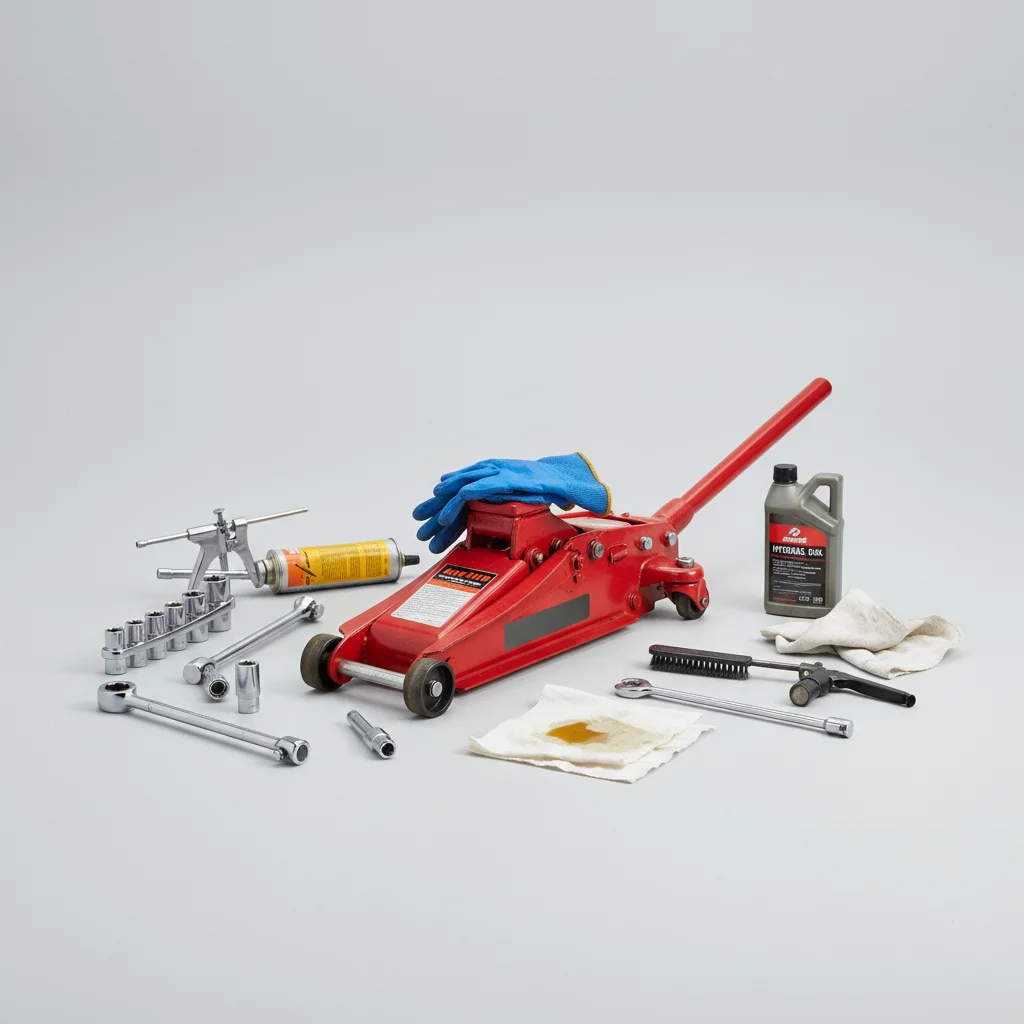
For optimal safety and longevity, you should inspect your floor jack for damage at least once every three months, or before each use if it’s used frequently. This routine check helps identify potential issues like cracks, bends, or wear that could compromise its structural integrity and lead to dangerous failures during operation.
Why Regular Damage Inspection is Crucial
Regular inspection is not just about extending the life of your equipment; it’s primarily about ensuring user safety. A damaged floor jack can fail catastrophically under load, leading to serious injury or damage to the vehicle. Identifying minor issues early can prevent them from escalating into major problems, saving you time and money on repairs or replacements.
Even if your floor jack appears to be functioning correctly, hidden stresses or fatigue can develop over time, especially in critical components like the lifting arm, frame, and base. A thorough visual inspection can reveal these subtle signs of wear and tear that might otherwise go unnoticed until it’s too late.
Key Areas to Focus During Inspection
When inspecting your floor jack, pay close attention to several key areas. First, examine the entire frame for any signs of cracks, bends, or deformation. Even small hairline cracks can indicate a significant structural weakness. Next, check the lifting arm and saddle for wear, especially where they contact the vehicle. The saddle should be free of excessive wear or damage that could cause it to slip.
Inspect all welds for integrity; any signs of cracking or separation are critical. Also, examine the wheels and casters for damage, ensuring they roll freely and are securely attached. Finally, check the handle for bends or cracks, and ensure its connection to the pump mechanism is secure and free of play.
- Inspect the main frame for cracks, bends, or deformation.
- Examine the lifting arm and saddle for wear or damage.
- Check all welded joints for signs of cracking or separation.
- Verify wheels and casters are intact and roll smoothly.
- Ensure the handle is straight, secure, and functions correctly.
What to Do If You Find Damage
|
Our Picks for the Best Floor Jack in 2026
As an Amazon Associate I earn from qualifying purchases.
|
||
| Num | Product | Action |
|---|---|---|
| 1 | Floor Jack 2.5 Ton (5500 lbs), Low Profile Floor Jack with Single Piston Pump, Heavy Duty Steel Hydraulic Jack for Car, Jack for Car with Lifting Range 3.4'' to 14.6'' |

|
| 2 | Amazon Basics Hydraulic Floor and Portable Car Jack, 2.2 Short Ton/ 2 Metric Ton/ 2 Tonne / 2000 kg Capacity, Slow Release, Red |
|
| 3 | 3 Ton Low Profile, Aluminum and Steel Racing Floor Jack with Dual Pistons Quick Lift Pump for Sport Utility Vehicle, Lifting Range 3-15/16" min to 18-5/16" max, Net Weight 58.5 lb, Red |
|
| 4 | Dewalt DWHT83550 TOUGHSERIES Construction Jack |
|
| 5 | VEVOR 2.5 Ton Low Profile, Heavy-Duty Steel Racing Floor Jack with Single Piston Lift Pump, Lifting Range 3.35"-14.96" |
|
| 6 | 3 Ton Floor Jack (6600 lbs), Heavy Duty Hydraulic Jack for Car, Heavy-Duty Floor Jack with Single Piston Pump, Quick Lift Car Jack 3 ton with Lifting Range 5.5'' to 18.5'' |
|
| 7 | Low Profile Floor Jack 3 Ton (6600 lbs), Heavy Duty Hydraulic Jack for Car, Heavy-Duty Floor Jack with Dual Pistons Quick Lift Pump, Car Floor Jack with Lifting Range 3-1/8'' to 19-7/8'' |
|
| 8 | DNA Motoring Low Profile Hydraulic Trolley Service/Floor Jack, 2 Ton (4000 lbs) Capacity, Lifting Range 5.1"-13", Blue, TOOLS-00474 |
|
| 9 | Floor Jack 3 Ton Capacity Fast Lift Service Jack Steel Heavy Duty Hydraulic Car Jack |
|
| 10 | DNA Motoring TOOLS-00234 Low Profile Hydraulic Trolley Service/Floor Jack, 2 Ton (4000 lbs) Capacity, Lifting Range 5.1"-13", Black |
|
If you discover any damage during your inspection, it’s crucial to address it immediately. For minor issues like loose bolts, tightening them might suffice. However, for more significant damage such as cracks in the frame, bent components, or compromised welds, the jack should be taken out of service immediately. Attempting to repair structural damage yourself without proper expertise and equipment can be extremely dangerous.
In many cases, if the damage is severe, replacing the floor jack entirely is the safest and most cost-effective option. Always consult the manufacturer’s manual for specific guidance on repairs and maintenance. Never use a damaged floor jack, even for light loads, as its integrity is compromised.
Preventative Measures and Best Practices
Beyond regular inspections, adopting preventative measures can significantly reduce the likelihood of damage. Always operate your floor jack within its rated weight capacity. Overloading is a primary cause of structural failure. Store your floor jack in a clean, dry environment to prevent rust and corrosion, which can weaken metal components over time. Avoid dropping or roughly handling the jack, as sudden impacts can cause internal or external damage.
Regularly clean your floor jack to remove dirt, grease, and debris that can obscure damage or interfere with moving parts. Following these simple practices, combined with consistent inspections, will ensure your floor jack remains a safe and reliable tool in your garage for years to come.Consider investing in a high-quality floor jack from a reputable brand, as these often feature more robust construction and better materials, leading to greater durability and a longer service life.

I appreciate the emphasis on safety, but I wish there was a bit more detail on what specific types of wear to look for on the lifting arm. ‘Cracks, bends, or wear’ is a good start, but maybe some examples or photos would be helpful for a newbie. I’m trying to be better about my floor jack maintenance, but sometimes it’s hard to know exactly what’s a minor issue versus a major one.
Good reminder on why regular inspection is crucial. I’ve seen some horror stories from guys who neglected their equipment. I usually just give mine a quick once-over, but I’m going to start being more diligent about looking for those specific cracks and bends mentioned. It’s easy to overlook until it’s too late, and safety is definitely paramount when you’re under a car.
This is exactly what I needed to read. I’ve got a couple of floor jacks, one for the home garage and one for the shop, and I admit I haven’t been as consistent with maintenance as I should be. The point about hidden stresses developing over time, even if it seems fine, really hit home. It’s a small investment of time to prevent a potentially catastrophic failure.
I’ve always been pretty good about checking my tools, but I never really had a solid schedule for my floor jack. The advice here about inspecting it every three months, or before each use if it’s frequent, is a game-changer. It makes total sense to catch those small issues before they become big, dangerous problems. My old jack is still going strong thanks to regular checks.