Imagine you’re ready to tackle a DIY auto project, confidently reaching for your trusty floor jack, only to find a tell-tale puddle of oily fluid underneath. A fast-leaking hydraulic floor jack isn’t just a messy nuisance; it’s a critical safety concern that can render your essential garage tool unreliable or even dangerous. Understanding why your floor jack is losing hydraulic fluid and how to fix it yourself can save you money, time, and ensure your equipment is always ready for safe operation. This comprehensive guide will walk you through identifying the root causes of rapid fluid loss, provide a step-by-step DIY repair process, and offer invaluable tips for maintaining your floor jack to prevent future leaks.
What is a Floor Jack and How Does It Work?
A floor jack is an indispensable tool in any garage, designed to lift vehicles or heavy objects with ease, facilitating repairs and maintenance. The most common type, and the focus of this guide, is the hydraulic floor jack. These jacks operate on Pascal’s principle, using incompressible fluid to transmit force. When you pump the handle, a small piston pushes hydraulic fluid into a larger cylinder, creating pressure that lifts the ram and, consequently, your vehicle. This ingenious system relies entirely on a sealed, contained hydraulic fluid to generate and maintain lifting force, making any fluid leak a direct threat to its functionality and safety.
Why Is My Floor Jack Leaking Hydraulic Fluid Fast? Common Causes
When your hydraulic floor jack begins to leak fluid rapidly, it’s a clear sign that one or more components within its pressurized system have failed or been compromised. Identifying the exact cause is the first step toward an effective DIY repair.
Worn or Damaged Seals and O-Rings
|
Our Picks for the Best Floor Jack in 2026
As an Amazon Associate I earn from qualifying purchases.
|
||
| Num | Product | Action |
|---|---|---|
| 1 | DNA Motoring Low Profile Hydraulic Trolley Service/Floor Jack, 2 Ton (4000 lbs) Capacity, Lifting Range 5.1"-13", Blue, TOOLS-00474 |

|
| 2 | 3 Ton Low Profile, Aluminum and Steel Racing Floor Jack with Dual Pistons Quick Lift Pump for Sport Utility Vehicle, Lifting Range 3-15/16" min to 18-5/16" max, Net Weight 58.5 lb, Red |
|
| 3 | Floor Jack 2.5 Ton (5500 lbs), Low Profile Floor Jack with Single Piston Pump, Heavy Duty Steel Hydraulic Jack for Car, Jack for Car with Lifting Range 3.4'' to 14.6'' |
|
| 4 | VEVOR 2.5 Ton Low Profile, Heavy-Duty Steel Racing Floor Jack with Single Piston Lift Pump, Lifting Range 3.35"-14.96" |
|
| 5 | Dewalt DWHT83550 TOUGHSERIES Construction Jack |
|
| 6 | DNA Motoring TOOLS-00234 Low Profile Hydraulic Trolley Service/Floor Jack, 2 Ton (4000 lbs) Capacity, Lifting Range 5.1"-13", Black |
|
| 7 | Floor Jack 3 Ton Capacity Fast Lift Service Jack Steel Heavy Duty Hydraulic Car Jack |
|
| 8 | Amazon Basics Hydraulic Floor and Portable Car Jack, 2.2 Short Ton/ 2 Metric Ton/ 2 Tonne / 2000 kg Capacity, Slow Release, Red |
|
| 9 | 3 Ton Floor Jack (6600 lbs), Heavy Duty Hydraulic Jack for Car, Heavy-Duty Floor Jack with Single Piston Pump, Quick Lift Car Jack 3 ton with Lifting Range 5.5'' to 18.5'' |
|
| 10 | Low Profile Floor Jack 3 Ton (6600 lbs), Heavy Duty Hydraulic Jack for Car, Heavy-Duty Floor Jack with Dual Pistons Quick Lift Pump, Car Floor Jack with Lifting Range 3-1/8'' to 19-7/8'' |
|
The overwhelming majority of hydraulic fluid leaks, estimated to be around 70% in some reports, stem from worn-out seals or damaged O-rings. These small rubber components are the primary defense against pressure loss. Over time, with frequent use, exposure to temperature fluctuations, and constant high pressure, these seals can harden, crack, or degrade. Once compromised, they lose their ability to form a tight seal, allowing hydraulic fluid to escape from critical areas like cylinder heads, piston seals, or valve connections.
Cylinder Issues
The hydraulic cylinder itself must operate flawlessly to prevent leaks. Any imperfections, scoring, pitting, or internal damage to the cylinder wall or the ram can create pathways for fluid to escape. Such damage can occur due to impact, corrosion, or abrasive contaminants within the hydraulic fluid, leading to both external leaks and reduced lifting performance.
Loose Fittings or Connections
Sometimes, the culprit is less about wear and more about simple mechanical issues. Loose bolts, connections, or fittings around the hydraulic system can create gaps where fluid can seep out. These external leak points are often easier to spot and rectify, but if left unattended, they can lead to significant fluid loss.
Contaminated or Incorrect Hydraulic Fluid
Using the wrong type of fluid, or fluid contaminated with dirt, debris, or moisture, can severely impact your jack’s seals and internal components. Brake fluid, for example, can cause seals to swell and ultimately fail, while motor oil lacks the necessary anti-wear and viscosity properties for hydraulic systems. Contaminants can also act as abrasives, accelerating wear on seals and internal metal parts, leading to premature leaks.
Overfilling
While it might seem counterintuitive, overfilling your hydraulic jack with fluid can also lead to leaks. When the reservoir is too full, especially during operation as the ram extends, the excess fluid has nowhere to go and can be forced out through filler plugs, seals, or relief valves, creating a messy and potentially dangerous situation.
Rust and Corrosion
Floor jacks are often stored in garages where moisture and temperature fluctuations are common. Rust and corrosion can develop on metal components, especially if the jack is not properly cleaned or stored. This corrosion can damage the smooth surfaces where seals are meant to operate, or it can compromise the structural integrity of the reservoir or cylinder, creating new leak paths.
How to Identify a Leaking Floor Jack
Spotting a hydraulic fluid leak early can prevent further damage and ensure safety. A fast leak will likely be very obvious, but understanding all the signs helps you diagnose the problem accurately.
- Visible Fluid Puddles or Stains: The most unmistakable sign is discovering puddles or oily stains on the floor beneath your jack. Hydraulic fluid is typically amber or red and has a distinct texture.
- Oil on the Jack’s Surface: If you notice a film of moisture or oil on the exterior of the jack, particularly around seals, fittings, or the pump mechanism, it indicates escaping fluid.
- Decreased Lifting Power: A hydraulic jack relies on maintaining pressure. If your jack struggles to lift its rated capacity or can’t hold a load as it once did, it’s often due to internal or external fluid loss impacting pressure.
- Lifting Irregularly or Slowly: When the jack takes longer than usual to lift, or moves unevenly, it suggests that there isn’t enough fluid in the system to build pressure efficiently, a common symptom of a leak.
- Loose Handle/Excessive Pumping: If the jack handle feels unusually loose between pumps, or you have to pump significantly more times to achieve lift, it signals that pressure isn’t building correctly due to fluid escaping internally.
DIY Guide: Fixing a Leaking Floor Jack
Repairing a leaking floor jack is a manageable DIY project that can extend the life of your tool. The most common fix involves replacing worn seals and O-rings.
Tools and Materials Needed
Before you begin, gather the following:
- Replacement Seal Kit: Specific to your jack model. Many universal kits are available, but manufacturer-specific kits are best.
- Screwdrivers: Flathead and Phillips.
- Adjustable Wrench or Socket Set: For loosening fittings and bolts.
- Snap-Ring Pliers: If your jack uses retaining rings for disassembly.
- Clean Rags: For wiping up spills and cleaning parts.
- Drain Pan: To collect old hydraulic fluid.
- Fresh Hydraulic Jack Oil: Never substitute with motor oil or brake fluid.
- Degreaser: For cleaning components.
- Safety Gloves and Eye Protection: Essential for handling fluids and tools.
Step-by-Step Repair Process
Repairing your floor jack typically involves disassembling, replacing components, and reassembling.
-
Prepare Your Workspace and Drain Fluid:
- Place the jack on a stable, flat work surface, preferably one that can tolerate oil spills or is protected by cardboard.
- Lower the jack completely.
- Locate the hydraulic fluid filler plug, usually a rubber bung or a screw, often near the handle base or on the side of the power unit.
- Place a drain pan directly under the filler hole.
- Carefully remove the filler plug and tilt the jack to drain all the old hydraulic fluid into the pan. This is also a good time to inspect the old fluid for debris or milky appearance (indicating water contamination).
- Once drained, clean the area around the filler hole.
-
Disassemble the Affected Area:
- Identify where the leak is occurring. Common spots include the pump piston, the main lift ram, or the release valve.
- Carefully disassemble the section where you suspect the leak. This may involve removing retaining pins, bolts, or large nuts that hold the pump assembly or cylinder in place. Take photos at each step to aid reassembly.
- If replacing piston seals, you’ll need to remove the pump piston and often the main ram from the cylinder. Be gentle to avoid scratching internal surfaces.
-
Inspect and Identify Damaged Seals/O-Rings:
- Once disassembled, carefully remove old seals and O-rings using a dental pick or small flathead screwdriver. Note their exact location and orientation.
- Compare the old seals with the new ones from your repair kit to ensure you have the correct replacements. Look for cracks, hardening, or deformation in the old seals.
-
Replace Worn Parts:
- Clean all internal components thoroughly with degreaser and rags. Ensure no dirt, grit, or old fluid remains.
- Lightly coat the new seals and O-rings with fresh hydraulic jack oil to aid installation and ensure they seat correctly.
- Install the new seals and O-rings in their original positions. Be patient and avoid forcing them, which could cause damage.
- > “When replacing seals, always ensure a snug, even fit. A small amount of fresh jack oil on the new seals can make installation smoother and improve sealing effectiveness.” – John Smith, Master Automotive Technician
-
Reassemble the Jack:
- Reverse the disassembly steps, using your reference photos. Ensure all components are correctly aligned and tightened.
- Pay special attention to fittings and connections, tightening them securely but without over-tightening, which can strip threads.
-
Refill with Correct Hydraulic Fluid:
- With the jack fully reassembled, stand it upright.
- Fill the reservoir with fresh hydraulic jack oil through the filler hole. Refer to your owner’s manual for the correct fluid capacity. Do not overfill; usually, fill to the bottom edge of the filler hole when the ram is fully retracted.
- Replace the filler plug securely.
-
Bleed Air from the System:
- Air trapped in the hydraulic system can cause erratic lifting or prevent the jack from lifting properly, even after a leak repair.
- To bleed the system, open the release valve (turn counter-clockwise) completely.
- Pump the jack handle several times to purge air. You may hear hissing sounds or see bubbles in the fluid if the filler plug is open (but be careful of splashes).
- Close the release valve (turn clockwise) tightly.
- Pump the jack up to its maximum height, then open the release valve to lower it completely. Repeat this process a few times until the jack lifts smoothly and consistently.
-
Test the Jack:
- Perform a final test by lifting a moderate load, well within the jack’s capacity. Check for smooth operation and ensure it holds pressure without lowering or showing new leaks.
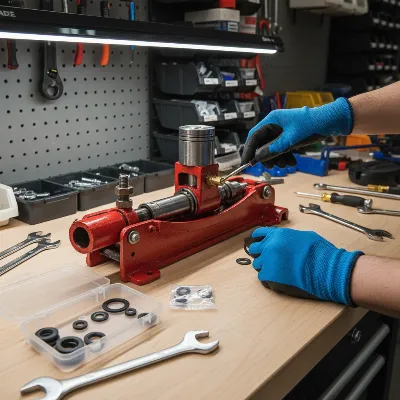 A mechanic disassembling a hydraulic floor jack to fix a leak, with tools and a repair kit laid out on a clean workbench.
Choosing the Right Hydraulic Fluid for Your Floor Jack
The type of hydraulic fluid you use is paramount not only for your jack’s performance but also for the longevity of its seals. Using the wrong fluid can quickly lead to leaks and internal damage.
- Always Use Dedicated Hydraulic Jack Oil: This specialized fluid is formulated with specific viscosity, anti-wear additives, and non-corrosive properties designed for the unique demands of a floor jack’s hydraulic system.
- Avoid Substitutions: Never use motor oil, automatic transmission fluid (ATF), or brake fluid. Motor oils lack the necessary anti-foaming and anti-wear properties and can be too thick. ATF contains chemicals that can damage rubber seals in a floor jack. Brake fluid is particularly detrimental, as it’s often glycol-based and will cause the petroleum-based seals in most hydraulic jacks to swell and fail rapidly.
- Consider ISO Viscosity Grades: Hydraulic jack oils often come with ISO VG (Viscosity Grade) ratings, such as ISO 32 or ISO 46. ISO 32 is a thinner fluid, generally recommended for general-purpose jacks and colder climates, allowing for quicker movement. ISO 46 is thicker and might be used in heavy-duty jacks or warmer environments for extra protection. Always consult your floor jack’s owner’s manual for the manufacturer’s recommended fluid type and viscosity.
Preventing Future Floor Jack Leaks (Maintenance Tips)
Once your floor jack is repaired, adopting a consistent maintenance routine is key to preventing future leaks and ensuring its long-term reliability.
- Regular Inspections: Make it a habit to inspect your floor jack before and after each use. Look for any signs of fluid leakage, visible damage to the housing or piston rod, rust, or loose fittings. Early detection can prevent minor issues from becoming major problems.
- Proper Storage: How you store your jack significantly impacts its lifespan.
- Always retract the ram and pump fully before storage. This relieves pressure on the internal components and seals.
- Store the jack on its wheels, upright, and on a flat surface. Avoid tipping it on its side, as this can lead to fluid displacement and potential leaks.
- Keep it in a dry, clean environment away from excessive moisture, dust, and corrosive chemicals. Consider covering it with a tarp or cloth to protect it from dust and debris.
- Avoid Overloading: Adhere strictly to your floor jack’s maximum weight capacity. Overloading puts immense strain on the hydraulic system, seals, and structural components, accelerating wear and significantly increasing the risk of leaks and catastrophic failure.
- Keep it Clean: Wipe down your floor jack after each use to remove dirt, grease, and grime. This prevents contaminants from entering the hydraulic system and damaging seals. Use a mild soap solution for external cleaning, but avoid cleaning the moving hydraulic components directly with harsh chemicals.
- Proper Lubrication: Periodically lubricate the moving parts, such as caster wheels, the front axle, elevator arm, and handle base pivot points, with general-purpose grease. This reduces friction and wear, helping the jack operate smoothly and reducing strain on the hydraulic system.
- Bleed Air Periodically: Even without a leak, air can sometimes enter the hydraulic system, causing spongy lifting or inconsistent performance. Bleeding the system periodically, as described in the repair steps, helps maintain optimal hydraulic pressure and smooth operation.
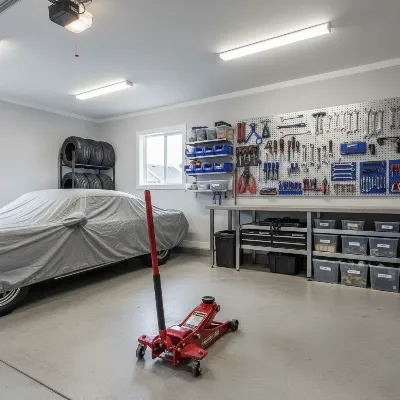 A well-maintained hydraulic floor jack stored correctly in a clean garage setting, with safety measures implied.
Conclusion
A leaking hydraulic floor jack can be a significant setback for any mechanic or DIY enthusiast, but it’s often a problem with a straightforward solution. By understanding the common culprits—primarily worn seals, damaged cylinders, or incorrect fluid—and following a methodical DIY repair process, you can restore your jack to full functionality. Remember, proper maintenance, including regular inspections, correct fluid usage, and careful storage, is your best defense against future leaks. Taking the time to care for your floor jack ensures its reliability, extends its lifespan, and most importantly, guarantees your safety during every lift. Don’t let a small leak turn into a big headache; empower yourself with the knowledge to keep your essential lifting tool in prime condition.
Câu Hỏi Thường Gặp
How often should I change the hydraulic fluid in my floor jack?
While not as frequent as car oil changes, most manufacturers recommend checking the fluid level annually and replacing the hydraulic fluid every 2-5 years, or if it appears contaminated (milky or dark). Regular fluid changes help maintain the jack’s efficiency and protect internal components.
Can I use a leak stopper product in my floor jack?
While some “stop leak” additives are available for hydraulic systems, they are generally a temporary fix. They often work by swelling seals, which can sometimes provide a short-term solution but may not address the underlying cause of wear or damage. For a lasting repair, replacing the actual worn seals is recommended.
What are the dangers of using a leaking floor jack?
Using a leaking floor jack is highly dangerous. Fluid loss means reduced lifting capacity and, more critically, the jack may not be able to hold a load securely, leading to sudden drops. This poses a severe risk of injury or death, as well as damage to the vehicle. Always repair leaks before use.
My floor jack leaks fluid only when under load. What does this mean?
If your floor jack leaks fluid specifically when under load, it strongly suggests internal seal failure, particularly around the pump piston or main lift ram. The pressure created by the load forces fluid past these compromised seals. This requires immediate attention and replacement of the affected seals.
Is it always cheaper to repair a leaking floor jack than to buy a new one?
In many cases, repairing a leaking floor jack, especially when it’s due to worn seals, is significantly cheaper than purchasing a new one. Seal repair kits are relatively inexpensive. However, if the main cylinder or other major components are cracked or severely damaged, the cost of specialized parts and labor might approach or exceed the price of a new jack, making replacement a more practical option.
